
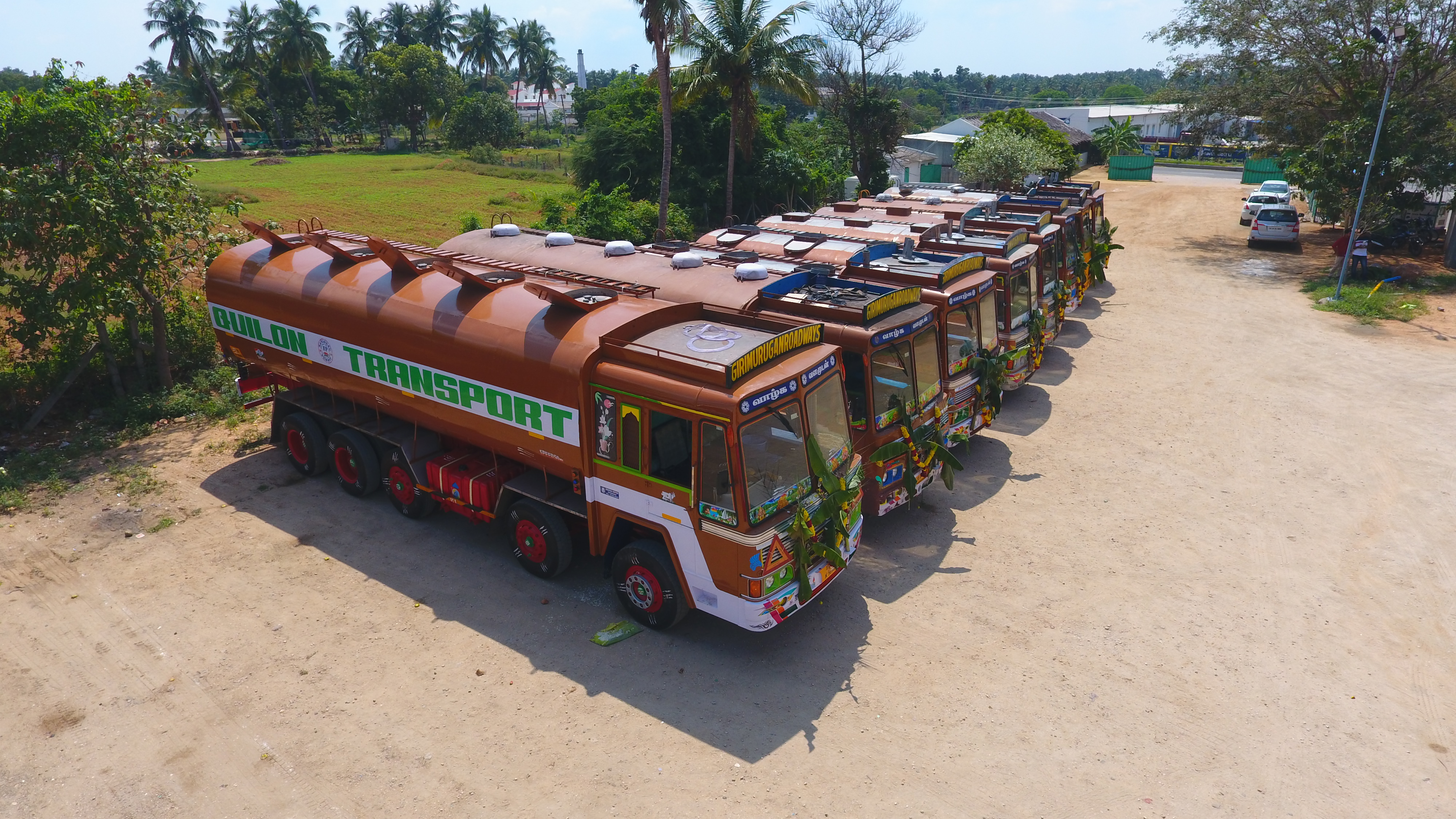
Bulk-liquid-transportation-india
India’s industrial economy depends on the reliable movement of raw materials, intermediates and finished products across the country. Among the many specialised segments of the logistics industry, bulk liquid transportation plays a critical role in connecting manufacturing facilities with customers across India.
From chemicals and petrochemicals to pharmaceuticals, fertilisers, food products and other industrial liquids, numerous industries depend on the safe and timely transportation of liquid cargo.
Unlike conventional freight transportation, moving liquids in bulk requires specialised tankers, appropriate cargo-handling systems, trained drivers, careful route planning and a strong focus on safety.
For businesses that depend on a consistent supply of liquid raw materials or need to deliver finished products to customers, choosing the right bulk liquid transporter in India is therefore an important supply-chain decision.
This guide explains the fundamentals of bulk liquid transportation in India, the industries that depend on it, the key considerations involved in tanker transportation, safety requirements, the role of technology and how businesses can select the right logistics partner.
What Is Bulk Liquid Transportation?
Bulk liquid transportation refers to the movement of liquid cargo in large quantities using specialised tankers rather than smaller containers such as drums, cans or other packaged formats.
The type of tanker required depends on the characteristics of the cargo. Factors such as chemical compatibility, concentration, viscosity, temperature, contamination sensitivity and handling requirements can influence tanker selection.
Bulk liquid transportation is commonly used for:
- Industrial and specialty chemicals
- Acids and alkalis
- Chemical intermediates
- Solvents
- Petrochemical products
- Liquid fertilisers
- Food-grade liquids
- Edible oils
- Pharmaceutical and industrial liquids
Unlike general cargo transportation, bulk liquid logistics requires the tanker and its equipment to be considered as an integral part of the transportation system.
The right combination of tanker specification, cargo compatibility, handling procedures and operational controls is essential for safe and reliable transportation.
Why Is Bulk Liquid Transportation Important in India?
India has a large and geographically diverse manufacturing ecosystem.
Manufacturing facilities, chemical plants, ports, warehouses and customer locations are spread across different regions. Raw materials and intermediates may need to travel from one state to another, while finished products may be transported to customers located hundreds or thousands of kilometres away.
This creates a significant requirement for reliable road tanker transportation in India.
Road transportation offers the flexibility to connect manufacturing facilities directly with customer locations without necessarily requiring multiple cargo-handling points.
For liquid cargo, this can be particularly valuable because reducing unnecessary handling can help minimise delays, contamination risks and operational complications.
For many industrial businesses, bulk liquid transportation is therefore much more than a transportation function. It is an important link in maintaining continuity across the supply chain.
Industries That Depend on Bulk Liquid Logistics
Chemical Industry
The chemical industry is one of the major users of bulk liquid transportation.
Manufacturers regularly transport acids, solvents, chemical intermediates, specialty chemicals and other liquid products between manufacturing plants, warehouses, ports and customers.
Because chemical products can have very different physical and chemical characteristics, transportation requires careful consideration of tanker specifications, compatibility, handling procedures and safety requirements.
Petrochemical Industry
Petrochemical products and intermediates require specialised transportation and controlled handling.
Appropriate tanker selection, loading procedures, route planning and safety systems are important for maintaining cargo integrity throughout the journey.
Pharmaceutical Industry
Pharmaceutical manufacturing depends on reliable supplies of raw materials, intermediates and other liquid products.
Where product purity and contamination control are important, transportation procedures need to be carefully managed from loading through delivery.
Food and Beverage Industry
Food-grade liquids, edible oils and liquid ingredients require hygienic transportation systems designed to prevent contamination.
Tanker cleaning, cargo segregation and appropriate handling procedures are particularly important in these applications.
Agriculture and Fertiliser Industry
Liquid fertilisers and agricultural products also require bulk transportation between manufacturing facilities, distribution centres and customers.
Efficient tanker logistics allows large quantities of material to be transported without relying entirely on smaller packaged shipments.
What Makes Bulk Liquid Transportation Different?
One of the key differences between conventional freight and bulk liquid transportation is the relationship between the cargo and the tanker.
When packaged goods are transported, the packaging acts as a barrier between the product and the vehicle.
In bulk transportation, the tanker itself becomes an integral part of the cargo-handling system.
This makes several factors particularly important.
Tanker Material and Cargo Compatibility
The tanker material and configuration must be suitable for the liquid being transported.
Different liquids can interact differently with tanker materials. Depending on the application, tankers may use different materials, linings, fittings and equipment.
Before assigning a tanker, the cargo should be evaluated against the tanker specification and operating conditions.
Using an unsuitable tanker can increase the risk of corrosion, contamination, product degradation or equipment damage.
For this reason, a professional chemical tanker transportation company should have a systematic approach to evaluating cargo and tanker compatibility.
Tanker Cleaning and Cargo Segregation
Tanker cleaning is an important part of bulk liquid logistics.
When a tanker carries different products, inadequate cleaning can result in cross-contamination.
The appropriate cleaning procedure depends on factors such as the previous cargo, the next cargo, product characteristics and customer requirements.
For sensitive chemical and food-grade applications, tanker cleaning should therefore be treated as an integral part of logistics operations rather than simply a routine activity.
Loading and Unloading
Loading and unloading require appropriate procedures and equipment.
Valves, hoses, pumps, connections, earthing arrangements where applicable and other tanker equipment should be suitable for the cargo and operating environment.
A well-managed loading and unloading process can improve safety, reduce the possibility of incidents and improve vehicle turnaround time.
Road Tanker Transportation in India
Road tanker transportation remains an important mode of bulk liquid logistics because of its flexibility and extensive connectivity.
Industrial customers often require transportation directly from a manufacturing plant to a specific customer facility. These destinations may be located away from major logistics hubs or railway networks.
Road tankers provide the flexibility to serve such locations directly.
A professional tanker logistics operation manages multiple stages of a movement:
Loading ? Transportation ? Tracking ? Delivery ? Unloading ? Vehicle Turnaround
Efficient management of each stage can improve fleet utilisation and help customers maintain predictable supply chains.
For long-distance movements, particularly between South India and industrial centres in western, northern and central India, operational planning becomes even more important.
Factors such as route selection, vehicle availability, driver scheduling, maintenance planning, customer unloading windows and return utilisation can all influence the efficiency of a tanker movement.
Safety in Chemical Tanker Transportation
Safety is a fundamental requirement when transporting chemicals and other hazardous or sensitive liquids by road.
A robust safety approach should cover the entire transportation cycle rather than focusing only on the journey itself.
Cargo Assessment
Before transportation, the characteristics and handling requirements of the cargo should be understood.
Appropriate Tanker Selection
The tanker should be suitable for the specific cargo, including material compatibility, capacity and required equipment.
Driver Training
Drivers handling bulk liquid cargo need appropriate training and awareness of the vehicle, cargo, route and emergency procedures.
Vehicle Inspection and Maintenance
Regular inspection and preventive maintenance help ensure that critical components such as brakes, tyres, valves, hoses and other equipment remain fit for operation.
Safe Loading and Unloading
Loading and unloading procedures should be carefully controlled to minimise the risk of leakage, spills and other incidents.
Route Planning
Routes should be evaluated based on road conditions, traffic, weather, restrictions, industrial zones and the nature of the cargo.
Emergency Preparedness
A professional logistics operation should have processes for dealing with situations such as vehicle breakdowns, accidents, leakage or other emergencies.
Safety in chemical transportation is therefore a shared responsibility involving the customer, transporter, driver, loading facility and receiving facility.
Technology in Bulk Liquid Logistics
Technology is changing the way logistics companies manage their fleets and customer relationships.
For tanker transportation, technology can improve visibility, operational control, fleet utilisation and communication.
Modern logistics operations increasingly use:
- GPS-based vehicle tracking
- Real-time shipment visibility
- Digital trip documentation
- Electronic proof of delivery
- Route planning and optimisation
- Fleet maintenance systems
- Driver performance monitoring
- Digital communication and reporting
For customers, shipment visibility can provide better information about the location and expected arrival of their cargo.
Technology can also help logistics companies identify operational inefficiencies, improve vehicle utilisation and make better decisions based on transportation data.
As India’s logistics ecosystem becomes increasingly integrated and technology-driven, digital capabilities will become an increasingly important part of professional tanker logistics in India.
How to Choose the Right Bulk Liquid Transporter in India
For companies that regularly transport liquid cargo, selecting the right logistics partner is an important supply-chain decision.
The lowest freight rate does not necessarily represent the lowest overall logistics cost or the best value.
Businesses should consider several factors.
Fleet Capability
Does the transporter have tankers appropriate for the required cargoes and transportation conditions?
Geographic Coverage
Can the transporter reliably serve the required origin and destination locations?
For businesses operating from South India, this could include transportation from Tamil Nadu, Karnataka, Kerala, Andhra Pradesh and Telangana to industrial destinations across India.
Safety Standards
Does the company have proper systems for vehicle inspection, driver training, tanker maintenance and emergency response?
Operational Reliability
Can the transporter consistently provide vehicles and meet agreed delivery schedules?
Tracking and Visibility
Can customers track shipments and receive timely updates?
Industry Experience
Does the transporter understand the specific requirements associated with the type of liquid cargo being transported?
Experience becomes particularly important when dealing with specialised or sensitive cargoes.
Communication
In long-distance transportation, delays and unexpected situations can occasionally occur.
Clear and timely communication between the transporter and customer can make a significant difference in managing such situations.
A strong logistics partner should be able to provide not only transportation capacity but also operational confidence and supply-chain visibility.
South India and the Pan-India Bulk Liquid Supply Chain
South India is an important manufacturing base for industries including chemicals, pharmaceuticals, automobiles, textiles, food processing and other industrial sectors.
Tamil Nadu, Karnataka, Kerala, Andhra Pradesh and Telangana are home to numerous manufacturing facilities and are connected to major industrial clusters and ports across India.
For a South India-based tanker logistics company, the ability to support long-distance movements is therefore important.
Quilon Tanker provides tanker logistics solutions connecting manufacturing facilities in Tamil Nadu, Karnataka, Kerala, Andhra Pradesh, Telangana, Maharashtra, Gujarat and Chhattisgarh to customers across India.
This regional-to-national connectivity enables manufacturers to work with a logistics partner capable of supporting their supply-chain requirements across multiple industrial corridors.
For businesses that require regular tanker movements across states, having a logistics partner with an understanding of both regional operations and long-distance transportation can help simplify supply-chain management.
Factors That Influence Bulk Liquid Transportation Costs
Transportation cost is an important consideration for every business.
However, the quoted freight rate is only one component of the overall logistics cost.
Factors influencing bulk liquid transportation costs include:
- Distance
- Cargo characteristics
- Tanker specifications
- Fuel costs
- Toll charges
- Loading and unloading time
- Vehicle turnaround time
- Route efficiency
- Empty return kilometres
- Maintenance requirements
- Regulatory and safety requirements
- Delivery schedules
Vehicle utilisation is particularly important in tanker logistics.
Extended waiting time at loading or unloading facilities can reduce fleet utilisation and increase the effective cost of transportation.
Similarly, inefficient routing or excessive empty return kilometres can increase the cost of each completed trip.
Professional tanker logistics therefore focuses not only on the freight rate but also on overall operational efficiency.
Why Reliability and Trust Matter in Tanker Logistics
Bulk liquid transportation involves much more than moving a vehicle from one location to another.
A customer entrusts the logistics provider with valuable cargo, production schedules, customer commitments and, in some cases, hazardous materials.
Reliability and trust are therefore fundamental to a long-term logistics relationship.
A professional bulk liquid transporter should focus on:
Safety | Reliability | Transparency | Technical Understanding | Consistent Service
When these elements come together, the logistics provider becomes an extension of the customer’s supply chain rather than simply a transportation vendor.For industrial businesses, such a relationship can provide greater predictability and confidence in their supply-chain operations.
The Future of Bulk Liquid Transportation in India
India’s logistics industry is undergoing a significant transformation driven by infrastructure development, digitalisation, increasing manufacturing activity and greater integration of supply chains.
Government initiatives such as the National Logistics Policy and PM Gati Shakti are focused on improving logistics efficiency, connectivity, infrastructure integration and the movement of goods across the country.
For bulk liquid logistics, these developments can create opportunities for better route planning, greater shipment visibility, improved fleet utilisation and more efficient supply chains.
At the same time, customers are likely to demand higher standards of safety, transparency, technology adoption and service reliability from their logistics partners.The future of tanker transportation will increasingly belong to companies that can combine:
Professional Fleet Management + Technology + Safety + Operational Discipline + Customer Trust
Conclusion
Bulk liquid transportation is an essential component of India’s industrial supply chain.
From chemicals and petrochemicals to pharmaceuticals, food products, fertilisers and industrial liquids, numerous industries depend on the safe and timely movement of liquid cargo across the country.
Successful bulk liquid logistics requires much more than a tanker and a driver. It requires appropriate equipment, cargo compatibility, trained personnel, safety systems, technology, route planning and disciplined operations.
For businesses looking for a bulk liquid transporter in India, the right logistics partner should therefore be evaluated on more than freight rates. Fleet capability, safety, geographic coverage, experience, technology and service reliability are equally important.
As India’s manufacturing and industrial economy continues to expand, professional bulk liquid transportation and road tanker logistics will play an increasingly important role in connecting manufacturing facilities and customers across the country.
At Quilon Tanker, we believe that the foundation of effective tanker logistics is simple:
Safe Transportation. Reliable Service. Long-Term Trust.
Frequently Asked Questions
What is bulk liquid transportation?
Bulk liquid transportation is the movement of large quantities of liquid cargo using specialised tankers rather than smaller containers such as drums or cans. It is commonly used for chemicals, petrochemicals, food-grade liquids, fertilisers and industrial products.
What industries use bulk liquid transportation?
Major industries that use bulk liquid transportation include chemical manufacturing, petrochemicals, pharmaceuticals, food and beverage, agriculture, fertiliser and industrial manufacturing.
What is a chemical tanker?
A chemical tanker is a specialised tanker designed to transport chemical liquids safely. The tanker specification, material, fittings and cleaning requirements depend on the characteristics of the cargo.
How do I choose a bulk liquid transporter in India?
Businesses should consider the transporter’s fleet capability, cargo-handling experience, safety systems, geographic coverage, tracking capabilities, operational reliability and ability to meet specific cargo requirements.
Why is tanker compatibility important?
Different liquids can interact differently with tanker materials. Selecting a compatible tanker helps minimise the risk of corrosion, contamination, product degradation and equipment damage.
Can bulk liquid tankers transport cargo across India?
Yes. Road tanker transportation can connect manufacturing facilities and customers across different regions of India. A transporter with appropriate pan-India capabilities can manage long-distance movements between South India and major industrial destinations across the country.
Why is tanker cleaning important?
Proper tanker cleaning helps prevent contamination between different cargoes. Cleaning requirements depend on the previous and subsequent cargoes, product characteristics and customer requirements.
Is road transportation suitable for bulk liquids?
Yes. Road transportation provides flexibility and direct connectivity between manufacturing facilities, ports, warehouses and customer locations, making it an important mode for bulk liquid logistics in India.
About Quilon Tanker
Quilon Tanker provides tanker logistics solutions connecting manufacturing facilities in Tamil Nadu, Karnataka, Kerala, Andhra Pradesh, Telangana, Maharashtra, Gujarat and Chhattisgarh to customers across India.
With a focus on road-based tanker logistics, Quilon Tanker is committed to providing safe, reliable and professionally managed transportation solutions for industrial customers.
Looking for a reliable bulk liquid transportation partner? Contact Quilon Tanker to discuss your transportation requirements.